

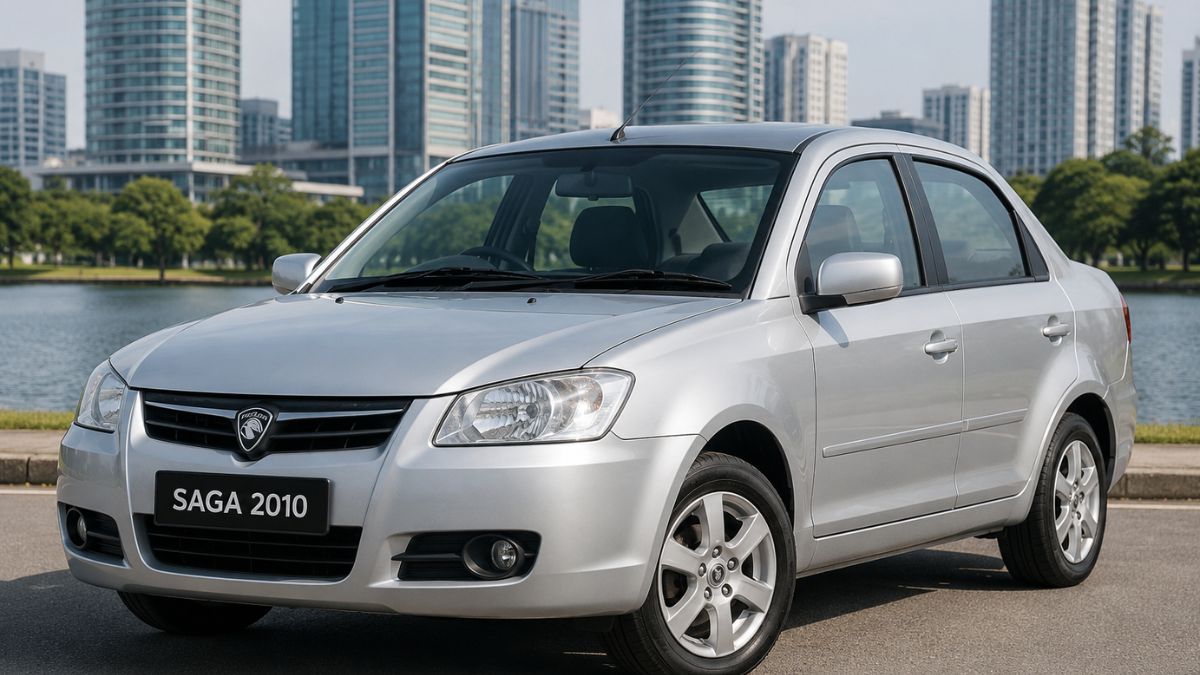
The Proton Saga 2010 remains one of the most recognizable budget-friendly sedans in the automotive world. Built by Proton, this model represents affordability, simplicity, and reliability—qualities that continue to attract drivers even years after its release.
Whether you’re a first-time buyer, a student, or someone looking for a dependable daily commuter, the Proton Saga 2010 deserves attention. Let’s explore what makes this car a long-lasting favorite.
🚗 Overview of the Proton Saga 2010
The 2010 version is part of the second generation of the Saga lineup, originally launched in 2008. It was designed as a no-nonsense compact sedan, offering essential features without unnecessary complexity.
Unlike many modern vehicles loaded with advanced tech, the Saga 2010 focuses on delivering value and practicality—something many drivers still appreciate today.
🔧 Engine and Performance
Under the hood, the 2010 Proton Saga is equipped with a 1.3L CamPro engine, delivering modest yet sufficient performance for everyday driving.
Key Specs:
- Engine: 1.3L CamPro IAFM
- Power Output: ~94 hp
- Transmission: 5-speed manual or 4-speed automatic
- Fuel Economy: Approx. 14–16 km/l
While it’s not built for speed or aggressive driving, it handles city commutes and highway cruising smoothly. The engine is known for its durability, provided regular maintenance is followed.
🛋️ Interior Comfort and Features
Step inside the Proton Saga 2010, and you’ll find a simple yet functional cabin. It may not offer luxury, but it gets the job done.
Interior Highlights:
- Fabric seats with decent cushioning
- Basic dashboard layout
- Air conditioning (strong and reliable)
- Power windows (in higher trims)
- Basic audio system
The cabin space is surprisingly roomy for a compact sedan, making it suitable for small families.
🧳 Boot Space and Practicality
One of the biggest strengths of the Saga 2010 is its large trunk capacity. It provides ample space for luggage, groceries, or travel bags—making it highly practical for daily use.
🛡️ Safety Features
Safety is relatively basic compared to modern standards, but adequate for its time.
Safety Inclusions:
- Dual front airbags (in selected variants)
- Seatbelts with pretensioners
- Basic structural safety design
Advanced features such as ABS and electronic stability control were limited or absent in base models.
⛽ Fuel Efficiency
Fuel economy is one of the main reasons drivers choose the 2010 Proton Saga. With rising fuel prices, this car remains a cost-effective option.
- Ideal for daily commuting
- Low fuel consumption
- Affordable maintenance costs
💰 Price and Affordability
When new, the Proton Saga 2010 was among the most affordable sedans in its segment. Today, in the used car market, it’s even more attractive for budget-conscious buyers.
Why it’s affordable:
- Low resale value (good for buyers)
- Cheap spare parts
- Easy maintenance
🔍 Pros and Cons
✅ Pros:
- Budget-friendly price
- Reliable engine
- Spacious trunk
- Easy to maintain
❌ Cons:
- Basic interior features
- Limited safety technology
- Average build quality
- Not performance-oriented
🧰 Maintenance and Reliability
The Proton Saga 2010 is known for being easy to maintain. Spare parts are widely available, especially in Asian markets, and mechanics are familiar with their structure.
Maintenance Tips:
- Regular oil changes
- Check suspension components
- Maintain the cooling system
- Inspect brakes periodically
With proper care, this car can last for many years without major issues.
🌍 Who Should Buy the Proton Saga 2010?
This car is ideal for:
- Students and first-time drivers
- Budget-conscious families
- Ride-sharing or delivery drivers
- Daily commuters
If you’re looking for a simple, no-frills vehicle that gets you from point A to B reliably, this is a solid choice.
🏁 Final Verdict
The Proton Saga 2010 may not compete with modern cars in terms of technology or luxury, but it excels in what truly matters: affordability, reliability, and practicality.
In a world where cars are becoming increasingly complex and expensive, the Saga stands as a reminder that sometimes, simplicity is all you need.