

The Nissan Sentra 2017 remains one of the most recognized compact sedans in the global automotive market. Known for reliability, affordability, and comfort, this model became a popular choice for commuters, families, and first-time car buyers. Whether you are considering purchasing a used compact sedan or simply exploring vehicle options, understanding the features, performance, and real-world usability of the 2017 Sentra can help you make an informed decision.
This detailed blog post covers everything you need to know about the Nissan Sentra 2017—from its design and engine performance to fuel economy, safety features, pros and cons, and long-term ownership insights.
Overview of the Nissan Sentra 2017
The Nissan Sentra lineup has long been positioned as a practical and economical compact sedan. The 2017 model continued that tradition while introducing additional trim options and improved features. It sits between the smaller Versa and the larger Altima in Nissan’s sedan lineup.
The 2017 version came in several trims:
- S
- SV
- SR
- SR Turbo
- SL
- NISMO (performance-focused)
These trims allowed buyers to choose between affordability, comfort, and sporty driving characteristics.
One of the standout elements of the Nissan Sentra 2017 is its spacious interior and practical cargo capacity, making it a strong competitor in the compact sedan segment.
Exterior Design and Styling
Modern Yet Conservative Styling
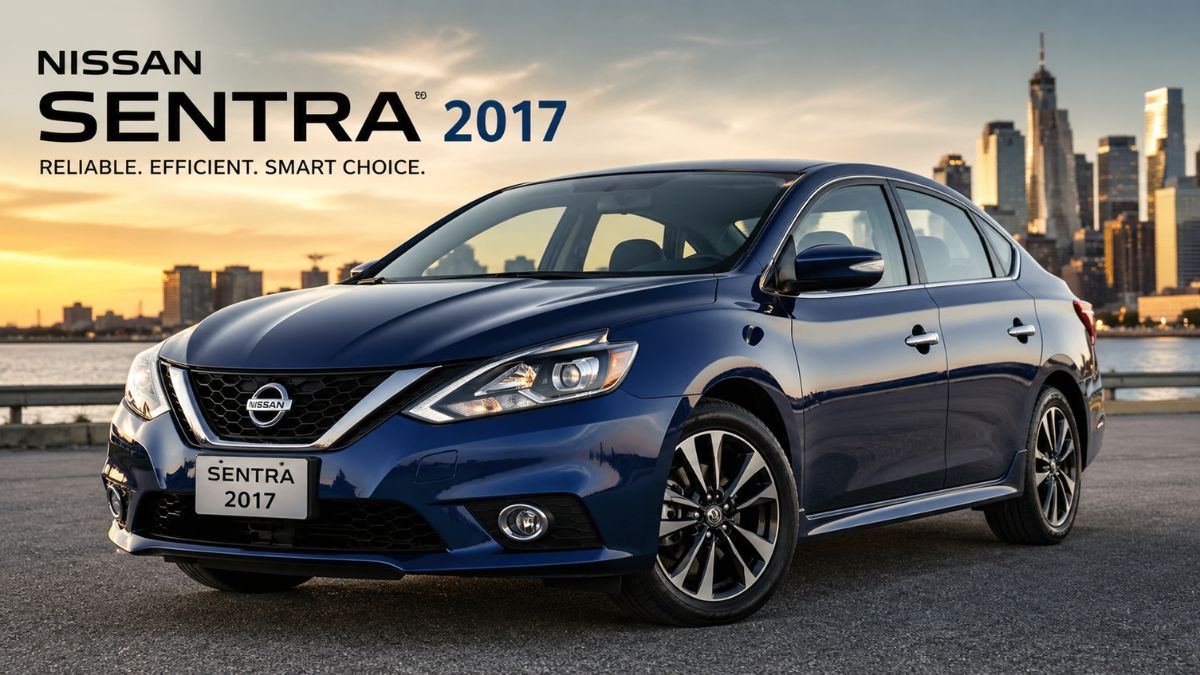
The Nissan Sentra 2017 features a sleek and professional design that appeals to a wide audience. While it may not be as aggressive as some sporty sedans, its styling reflects sophistication and reliability.
Key exterior highlights include:
- Signature V-Motion grille
- Sleek halogen or LED headlights
- Aerodynamic body lines
- Optional alloy wheels
- Chrome accents in higher trims
These design elements give the vehicle a balanced look suitable for both urban and highway driving.
Nissan Sentra 2017 Exterior and Cabin Highlights


The exterior design was refreshed in earlier years and carried into 2017 with subtle enhancements, including improved headlight styling and refined grille aesthetics.
Interior Comfort and Cabin Experience
Spacious Cabin Layout
One of the strongest advantages of the Nissan Sentra 2017 is its roomy interior. Many reviewers highlight that its cabin space rivals larger vehicles in comfort.
Key interior features include:
- Comfortable seating for five passengers
- High-quality cloth or leather upholstery
- Adjustable steering wheel
- Spacious rear legroom
- Large trunk capacity
The rear seat space is particularly impressive, offering generous legroom even for taller passengers.
Dashboard and Driver Controls


The dashboard design is clean and user-friendly. Controls are logically placed, making it easy for drivers to operate entertainment and climate systems without distraction.
Technology inside the cabin includes:
- Touchscreen infotainment system
- Bluetooth connectivity
- USB ports
- Optional navigation system
- Climate control settings
The available NissanConnect infotainment system allows smartphone integration and simplified access to multimedia features.
Engine Performance and Driving Experience
Standard Engine Specifications
The Nissan Sentra 2017 comes with a standard 1.8-liter 4-cylinder engine producing approximately:
- 124–130 horsepower
- 125–128 lb-ft torque
This engine is paired with either:
- 6-speed manual transmission
- Continuously Variable Transmission (CVT)
Most trims use the CVT for smoother fuel efficiency and easier city driving.
Turbocharged Engine Option
For drivers seeking more power, Nissan introduced performance-oriented trims:
- SR Turbo
- NISMO
These versions feature a 1.6-liter turbocharged engine delivering:
- 188 horsepower
- Enhanced acceleration
- Sport-tuned suspension
This upgrade significantly improves driving responsiveness and overall performance.
Driving Comfort
The Sentra is known more for comfort than sportiness. It provides:
- Smooth suspension
- Stable highway performance
- Quiet interior (improved glass insulation)
However, reviewers often note that base models have modest acceleration compared to rivals.
Fuel Economy and Efficiency
Fuel efficiency remains one of the major selling points of the Nissan Sentra 2017.
Estimated fuel economy:
- City: 25–30 MPG
- Highway: 30–38 MPG
- Combined: About 30 MPG
This makes it ideal for:
- Daily commuting
- Long-distance driving
- Budget-conscious owners
The CVT transmission contributes significantly to fuel savings and smoother operation.
Safety Features and Ratings
Safety is a key factor when choosing a compact sedan, and the Nissan Sentra 2017 includes several advanced features.
Standard safety features include:
- Anti-lock braking system (ABS)
- Stability control
- Multiple airbags
- Tire pressure monitoring
Available safety features:
- Rearview camera
- Blind-spot monitoring
- Adaptive cruise control
- Automatic emergency braking
The vehicle received:
- 4-Star overall safety rating from government crash testing
- High marks in side-impact protection tests
These ratings demonstrate its solid safety performance.
Technology and Infotainment Features
Technology plays a significant role in modern vehicles, and the Nissan Sentra 2017 offers several useful features.
Key technology options:
- NissanConnect infotainment system
- 5.8-inch touchscreen display
- Navigation system
- Bluetooth connectivity
- Voice command system
Although the touchscreen size is smaller compared to newer vehicles, it remains functional and easy to use.
Cargo Space and Practicality
One of the most practical aspects of the Nissan Sentra 2017 is its cargo capacity.
Cargo specifications:
- 15.1 cubic feet trunk space
- Split-folding rear seats
- Wide trunk opening
This makes it suitable for:
- Grocery shopping
- Travel luggage
- Daily errands
Its cargo capacity is considered above average for compact sedans.
Trim Levels Explained
Sentra S (Base Model)
Key features:
- Manual transmission
- Basic infotainment system
- Cloth seating
- Remote keyless entry
Ideal for budget-conscious buyers.
Sentra SV
Adds:
- Rearview camera
- Alloy wheels
- Optional heated seats
- Enhanced interior styling
This trim offers a balanced mix of price and comfort.
Sentra SR
Adds sporty touches:
- Sport-styled exterior
- Upgraded wheels
- Optional sunroof
- Improved interior trim
Best suited for style-conscious drivers.
Sentra SL
Luxury-focused trim:
- Leather seating
- Premium audio system
- Navigation system
- Advanced safety features
Sentra SR Turbo and NISMO
Performance-oriented:
- Turbocharged engine
- Sport-tuned suspension
- Performance brakes
- Aggressive styling
These trims target drivers seeking excitement in a compact sedan.
Reliability and Maintenance
The Nissan Sentra 2017 is widely regarded as a dependable vehicle when properly maintained.
Reliability highlights:
- Average reliability rating: 4 out of 5
- Affordable maintenance costs
- Widely available replacement parts
Routine maintenance includes:
- Oil changes
- Brake inspections
- Tire rotations
- Transmission servicing
Proper maintenance helps extend the lifespan of the vehicle significantly.
Pros and Cons of Nissan Sentra 2017
Pros
- Spacious interior
- Good fuel economy
- Affordable price
- Comfortable ride quality
- Large trunk capacity
Cons
- Slow acceleration (base models)
- Modest interior styling
- Limited sporty handling
- Smaller infotainment display
These advantages and disadvantages make the Sentra ideal for practical drivers rather than performance enthusiasts.
Ownership Costs
The cost of owning a Nissan Sentra 2017 depends on:
- Mileage
- Condition
- Maintenance history
- Location
Typical ownership expenses include:
- Fuel
- Insurance
- Maintenance
- Registration
Monthly operating costs remain relatively low compared to larger sedans.
Comparison with Competitors
The Nissan Sentra 2017 competes with:
- Toyota Corolla
- Honda Civic
- Hyundai Elantra
- Kia Forte
Compared to these models:
- Sentra offers more rear-seat space
- Corolla provides strong reliability
- Civic delivers sportier performance
- Elantra offers competitive technology
Choosing between them depends on priorities such as comfort, performance, or brand loyalty.
Real-World Driving Experience
Many drivers describe the Nissan Sentra 2017 as:
- Smooth and comfortable
- Quiet at highway speeds
- Easy to handle in city traffic
It is particularly suitable for:
- Students
- Families
- Daily commuters
- Ride-sharing drivers
Although not a sports car, it excels as a practical everyday vehicle.
Resale Value and Market Demand
The resale value of the Nissan Sentra 2017 remains stable due to:
- Brand reliability
- Wide market demand
- Affordable replacement parts
Factors affecting resale price:
- Mileage
- Accident history
- Maintenance records
- Trim level
Higher trims such as SL and SR Turbo typically maintain better resale value.
Who Should Buy a Nissan Sentra 2017?
The Nissan Sentra 2017 is ideal for:
- First-time car buyers
- Budget-conscious drivers
- Commuters needing efficiency
- Families needing space
- Students requiring reliable transportation
It may not be the best choice for:
- Performance enthusiasts
- Luxury vehicle seekers
- Drivers wanting cutting-edge technology
Maintenance Tips for Long-Term Performance
To keep your Nissan Sentra 2017 in excellent condition:
- Change engine oil regularly
- Maintain tire pressure
- Inspect brakes frequently
- Replace air filters
- Check transmission fluid
Following these maintenance practices can significantly extend the lifespan of the vehicle.
Common Issues Reported
Some owners report occasional issues such as:
- CVT transmission concerns
- Slower acceleration
- Minor interior wear
However, most problems can be minimized through:
- Routine maintenance
- Proper driving habits
- Regular inspections
Performance vs Comfort Balance
The Nissan Sentra 2017 emphasizes comfort and efficiency rather than speed.
Performance characteristics:
- Smooth ride quality
- Stable handling
- Predictable steering
Comfort features:
- Spacious seating
- Quiet cabin
- Comfortable suspension
This balance makes it suitable for long daily drives.
Why the Nissan Sentra 2017 Remains Popular
Several factors contribute to its continued popularity:
- Affordable purchase price
- Low fuel consumption
- Comfortable ride
- Reliable engineering
- Practical interior design
Even years after release, it remains widely used across many regions.
Buying a Used Nissan Sentra 2017
If you plan to purchase a used model, consider:
- Vehicle history report
- Service records
- Mileage condition
- Transmission performance
Test driving is highly recommended before purchase.
Insurance and Running Costs
Insurance costs for the Nissan Sentra 2017 are typically lower than larger vehicles.
Factors affecting insurance rates:
- Driver age
- Driving history
- Location
- Trim level
Fuel efficiency also helps reduce overall running costs.
Environmental Impact
The Nissan Sentra 2017 produces moderate emissions compared to older vehicles.
Eco-friendly aspects:
- Fuel-efficient engine
- Reduced emissions
- Improved fuel management systems
This makes it more environmentally friendly than many older compact sedans.
Final Verdict: Is the Nissan Sentra 2017 Worth It?
The Nissan Sentra 2017 remains a strong choice in the used compact sedan market. It excels in areas such as comfort, space, and affordability, making it ideal for everyday driving needs.
While it may not be the fastest or most technologically advanced vehicle, it delivers reliability and efficiency—two qualities most drivers value.
If you are searching for:
- A reliable daily commuter
- A budget-friendly compact sedan
- A spacious and comfortable ride
Then the Nissan Sentra 2017 is definitely worth considering.