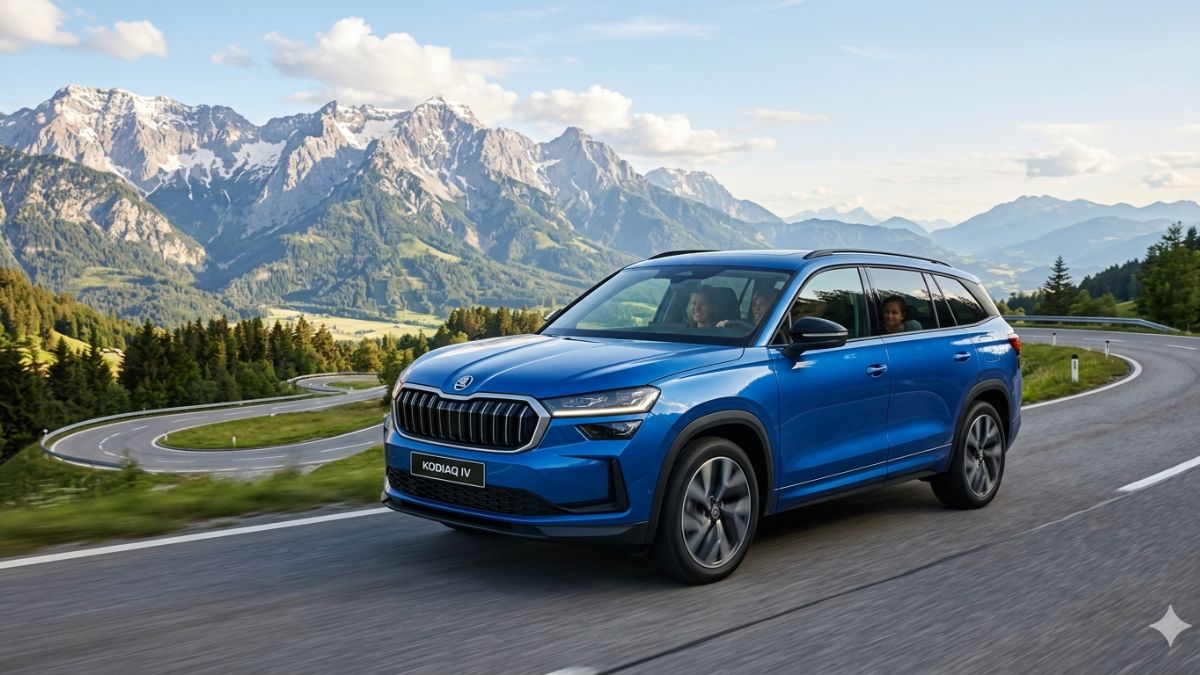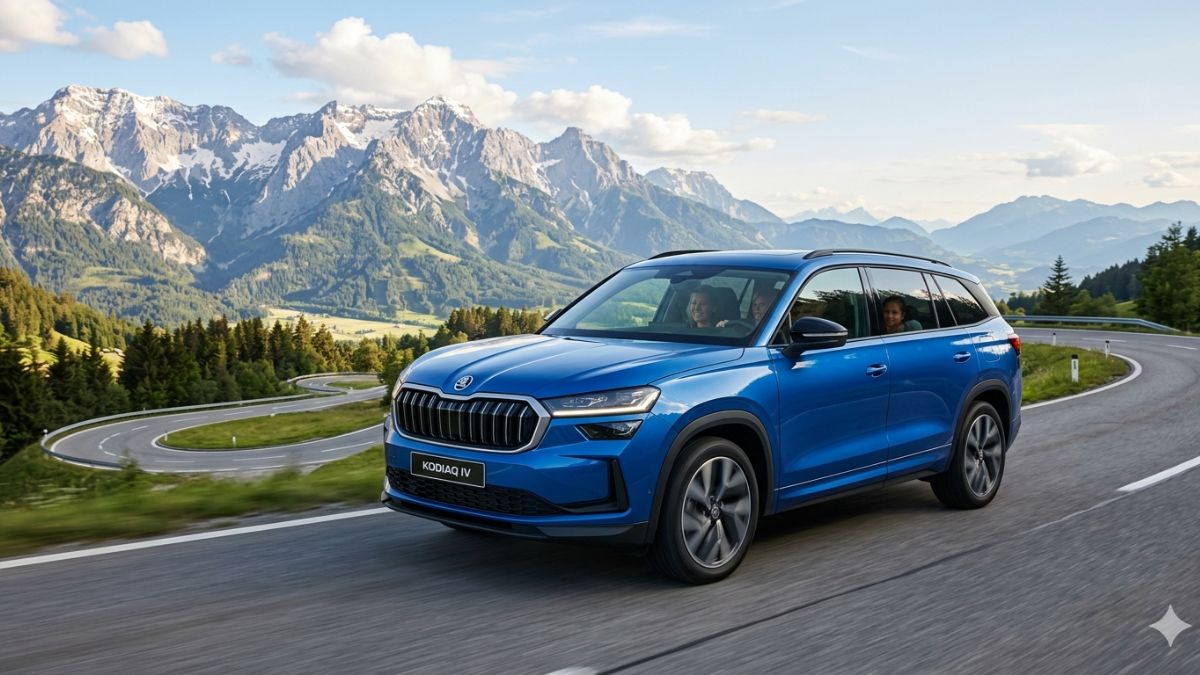


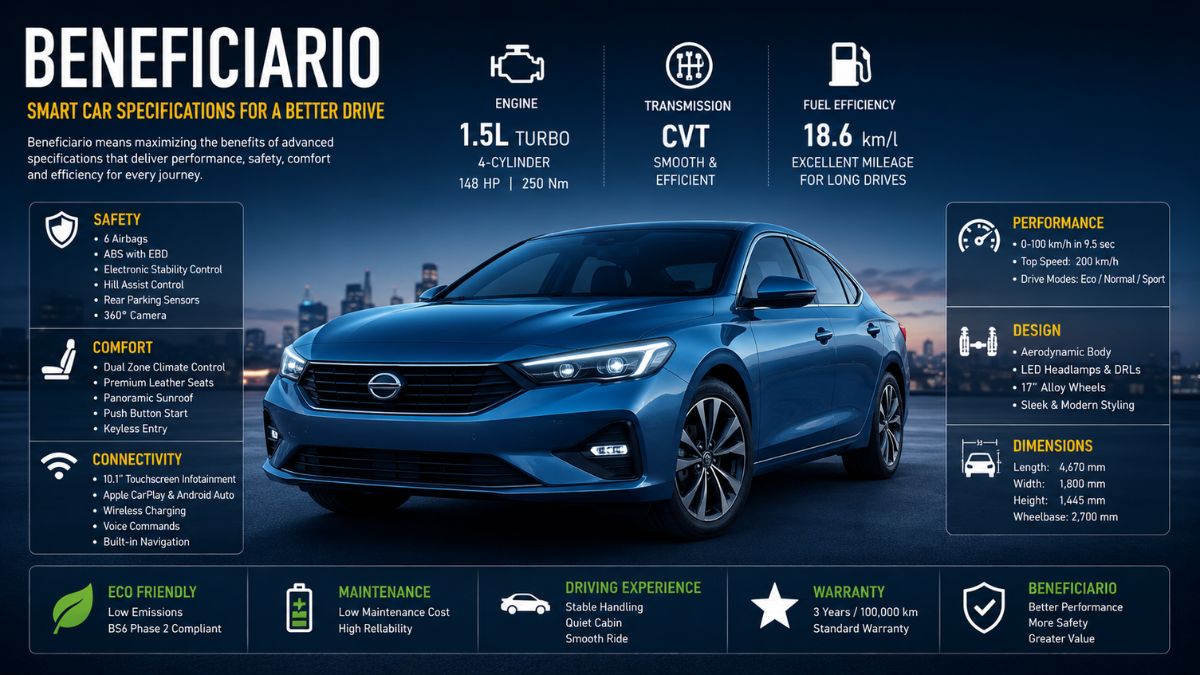
Modern vehicles are no longer just machines for transportation. They are intelligent systems packed with advanced technology, performance engineering, safety mechanisms, and luxury features. In the growing world of automotive innovation, the term beneficiario has emerged as a unique concept associated with maximizing the benefits of car specifications, ownership experience, efficiency, and intelligent driving.
Whether you are purchasing your first vehicle, upgrading to a premium SUV, comparing sedans, or exploring electric mobility, understanding car specifications is essential. This complete guide explains how beneficiario relates to modern automobiles, how specifications affect driving performance, and what buyers should consider before purchasing a vehicle.
What Does Beneficiario Mean in Automotive Specifications?
The term beneficiario in the automotive context refers to the beneficiary of optimized vehicle performance and features. In simple words, the driver or owner becomes the beneficiary of:
- Better fuel efficiency
- Enhanced safety
- Smart connectivity
- Improved comfort
- Lower maintenance costs
- Stronger engine performance
- Intelligent driving assistance systems
A well-specified car creates long-term value for the owner. The better the specifications match the user’s needs, the greater the automotive beneficiario effect becomes.
The Evolution of Modern Car Specifications
Car specifications have evolved dramatically during the last two decades. Earlier vehicles focused mainly on engine displacement and horsepower. Modern vehicles now combine:
- Artificial intelligence
- Sensor systems
- Driver assistance technologies
- Hybrid powertrains
- Connected infotainment
- Autonomous capabilities
- Real-time diagnostics
Today’s buyers compare vehicles not only by speed but also by sustainability, technology, and digital experience.
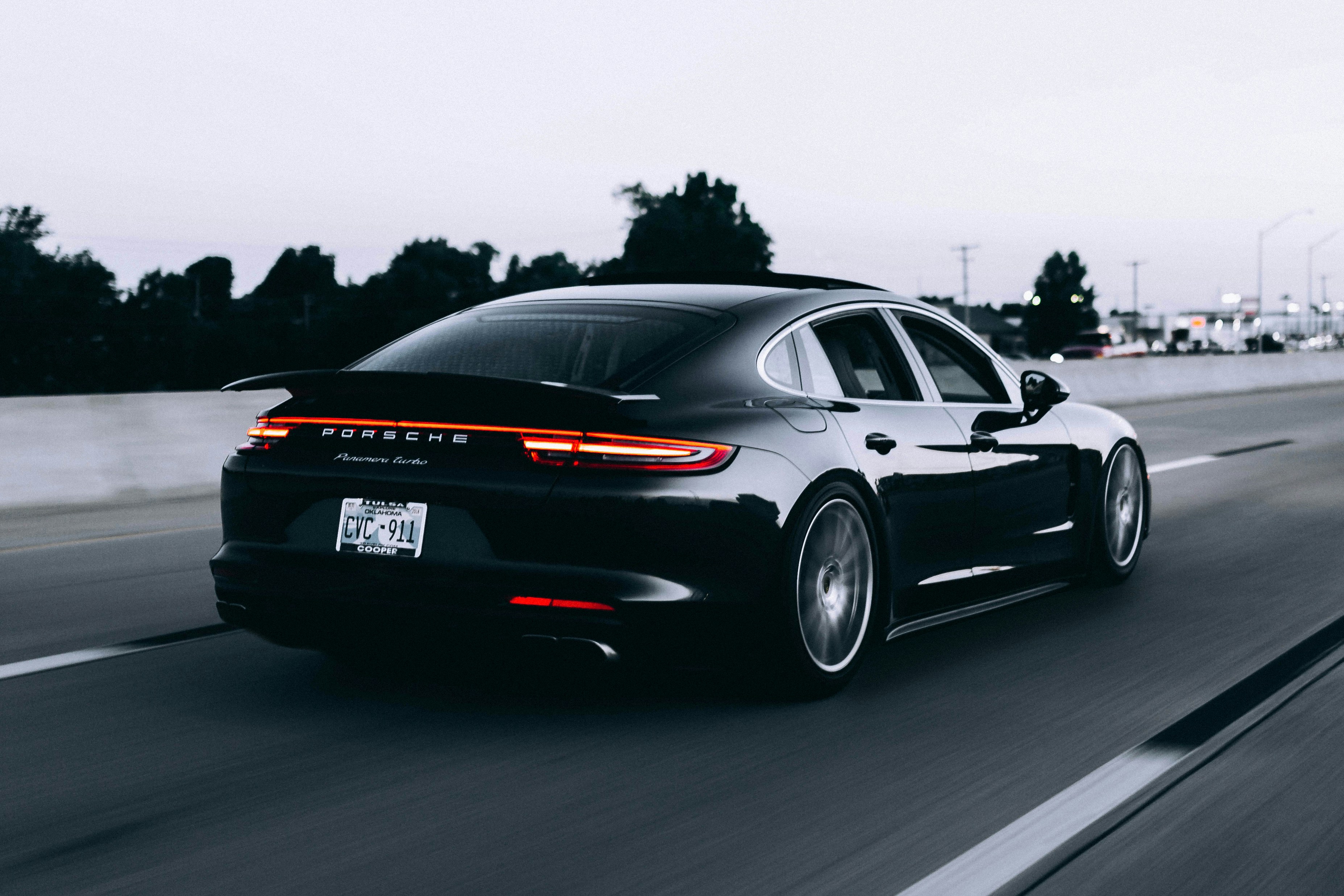
Why Car Specifications Matter
Many people purchase cars based on appearance alone, but specifications determine the actual experience. A vehicle may look attractive externally while lacking important performance or safety features internally.
Specifications influence:
| Specification | Impact |
|---|---|
| Engine Power | Speed and acceleration |
| Torque | Pulling capability and responsiveness |
| Fuel Economy | Running costs |
| Safety Features | Passenger protection |
| Suspension | Ride comfort |
| Transmission | Driving smoothness |
| Battery Capacity | EV range |
| Ground Clearance | Off-road capability |
| Infotainment | Driving convenience |
Understanding specifications helps buyers avoid poor purchasing decisions.
Understanding Engine Specifications
The engine is the heart of every automobile. Modern engine specifications are more advanced than ever before.
1. Engine Displacement
Measured in liters (L) or cubic centimeters (cc), displacement indicates engine size.
Examples:
- 1000cc = 1.0L
- 1500cc = 1.5L
- 2000cc = 2.0L
Smaller engines generally provide:
- Better fuel economy
- Lower emissions
- Affordable maintenance
Larger engines deliver:
- More power
- Faster acceleration
- Better towing capacity
2. Horsepower
Horsepower measures engine output.
Typical Ranges
| Vehicle Type | Horsepower |
|---|---|
| Compact Hatchback | 70–120 HP |
| Sedan | 120–250 HP |
| SUV | 150–400 HP |
| Sports Car | 300–1000+ HP |
Higher horsepower means stronger acceleration and higher top speed.
3. Torque
Torque determines pulling power and low-speed responsiveness.
Vehicles with high torque:
- Climb hills easily
- Carry heavy loads
- Accelerate smoothly
Diesel engines usually generate higher torque compared to petrol engines.
Transmission Systems Explained
Transmission systems transfer power from the engine to the wheels.
Manual Transmission
Advantages:
- Lower cost
- Better control
- Lower maintenance
Disadvantages:
- Requires driver effort
- Less convenient in traffic
Automatic Transmission
Advantages:
- Smooth driving
- Comfortable commuting
- Better for city traffic
Disadvantages:
- Higher maintenance
- More expensive
CVT (Continuously Variable Transmission)
CVTs offer:
- Improved fuel economy
- Seamless acceleration
- Reduced engine stress
They are increasingly popular in hybrid vehicles.
Fuel Efficiency and Beneficiario Ownership
Fuel economy is one of the biggest ownership benefits.
Factors Affecting Fuel Economy
- Vehicle weight
- Aerodynamics
- Tire pressure
- Engine tuning
- Driving habits
Average Fuel Economy
| Vehicle Type | Mileage |
|---|---|
| Hatchback | 15–25 km/L |
| Sedan | 12–20 km/L |
| SUV | 8–16 km/L |
| Hybrid | 20–35 km/L |
Fuel-efficient vehicles reduce long-term operating costs significantly.
Safety Specifications in Modern Vehicles
Safety has become a major focus in modern automotive engineering.
Active Safety Features
These help prevent accidents.
Examples:
- ABS (Anti-lock Braking System)
- Electronic Stability Control
- Lane Assist
- Adaptive Cruise Control
- Blind Spot Monitoring
Passive Safety Features
These reduce injury during accidents.
Examples:
- Airbags
- Crumple zones
- Seatbelt pretensioners
- Reinforced chassis
ADAS Technology
Advanced Driver Assistance Systems (ADAS) represent the future of safety.
ADAS includes:
- Autonomous emergency braking
- Traffic sign recognition
- Driver fatigue monitoring
- Collision warning systems
These systems create a safer driving environment.
Infotainment and Connectivity
Modern buyers demand digital experiences inside vehicles.
Essential Infotainment Features
- Touchscreen display
- Apple CarPlay
- Android Auto
- Voice commands
- Wireless charging
- Navigation systems
Connected cars now function similarly to smartphones.
Electric Vehicles and Beneficiario Mobility
Electric vehicles are transforming the automotive industry.
Advantages of EVs
- Zero tailpipe emissions
- Lower fuel cost
- Instant torque
- Quiet operation
- Reduced maintenance
Important EV Specifications
Battery Capacity
Measured in kWh.
Larger batteries provide:
- Longer driving range
- Better performance
Charging Speed
Charging options include:
- Level 1
- Level 2
- DC fast charging
Fast charging reduces downtime significantly.
Driving Range
Modern EVs typically offer:
- 250–700 km per charge
Range anxiety continues to decrease as technology improves.
SUV Specifications and Family Benefits
SUVs dominate global automotive markets because they combine:
- Space
- Comfort
- Safety
- Versatility
Key SUV Specifications
Ground Clearance
Higher ground clearance improves:
- Off-road capability
- Flood protection
- Road visibility
Seating Capacity
Most SUVs offer:
- 5 seats
- 7 seats
- Foldable configurations
Cargo Space
Large cargo capacity benefits:
- Families
- Travelers
- Business users
Performance Cars and Speed Specifications
Performance cars emphasize:
- Acceleration
- Handling
- Aerodynamics
- Braking systems
Important Performance Metrics
0–100 km/h Time
Measures acceleration speed.
Examples:
- Economy car: 10–15 seconds
- Sports car: 3–5 seconds
Top Speed
High-performance vehicles can exceed:
- 300 km/h
Suspension Tuning
Sport suspensions improve:
- Cornering
- Stability
- Handling precision
Tire and Wheel Specifications
Tires greatly affect:
- Safety
- Comfort
- Fuel efficiency
Tire Information Example
225/45 R17
Meaning:
- 225 = width
- 45 = aspect ratio
- R = radial construction
- 17 = wheel diameter
Alloy Wheels
Benefits:
- Reduced weight
- Better appearance
- Improved heat dissipation
Braking Systems and Vehicle Control
Modern braking systems use advanced electronics.
Disc Brakes vs Drum Brakes
| Feature | Disc | Drum |
|---|---|---|
| Cooling | Better | Limited |
| Performance | Stronger | Moderate |
| Maintenance | Easier | Complex |
Most premium vehicles use four-wheel disc brakes.
Suspension Systems
Suspension determines ride quality.
Types of Suspension
MacPherson Strut
Common in compact vehicles.
Multi-Link Suspension
Provides:
- Better comfort
- Improved handling
Air Suspension
Found in luxury vehicles for adaptive ride height.
Interior Comfort Specifications
Comfort features increasingly influence purchasing decisions.
Premium Interior Features
- Leather upholstery
- Ambient lighting
- Heated seats
- Ventilated seats
- Panoramic sunroof
- Multi-zone climate control
Luxury vehicles focus heavily on cabin refinement.
Smart Driver Assistance Features
Vehicles now include semi-autonomous technologies.
Popular Smart Features
- Self parking
- Traffic jam assist
- 360-degree camera
- Automatic high beams
- Adaptive headlights
These systems improve convenience and safety simultaneously.
Aerodynamics and Efficiency
Aerodynamics affect:
- Fuel consumption
- Stability
- Noise reduction
Manufacturers optimize:
- Front grille design
- Underbody airflow
- Rear spoilers
Lower drag coefficients improve efficiency.
Hybrid Vehicles and Beneficiario Sustainability
Hybrid vehicles combine:
- Internal combustion engines
- Electric motors
Types of Hybrids
Mild Hybrid
Provides limited electric support.
Full Hybrid
Can drive short distances electrically.
Plug-in Hybrid
Offers extended electric-only driving.
Hybrids provide excellent balance between efficiency and practicality.

Understanding Vehicle Dimensions
Vehicle size affects:
- Parking
- Cabin space
- Maneuverability
Important Dimensions
| Dimension | Importance |
|---|---|
| Wheelbase | Ride stability |
| Length | Parking ease |
| Width | Interior space |
| Height | Headroom |
Longer wheelbases usually improve comfort.
The Role of Artificial Intelligence in Cars
AI technologies are transforming driving.
AI Applications
- Predictive maintenance
- Driver monitoring
- Voice assistants
- Autonomous driving
- Route optimization
Future vehicles will rely heavily on AI decision-making systems.
Autonomous Driving Technology
Self-driving technology continues advancing rapidly.
Levels of Autonomy
| Level | Description |
|---|---|
| Level 0 | No automation |
| Level 1 | Driver assistance |
| Level 2 | Partial automation |
| Level 3 | Conditional automation |
| Level 4 | High automation |
| Level 5 | Full automation |
Many modern vehicles currently operate at Level 2.
Car Specification Comparison Tips
Before purchasing a vehicle:
- Compare engine options
- Analyze safety ratings
- Check maintenance costs
- Review warranty coverage
- Evaluate resale value
- Test infotainment quality
- Examine fuel economy
Never rely solely on marketing materials.
Luxury vs Economy Car Specifications
Luxury cars prioritize:
- Comfort
- Technology
- Quiet cabins
- Premium materials
Economy vehicles emphasize:
- Affordability
- Fuel savings
- Reliability
The best choice depends on buyer priorities.
Future Trends in Car Specifications
The automotive industry is rapidly evolving.
Emerging Trends
Solid-State Batteries
Offering:
- Faster charging
- Greater safety
- Higher range
Vehicle-to-Vehicle Communication
Cars will communicate to:
- Prevent accidents
- Reduce traffic congestion
Hydrogen Fuel Cells
Alternative clean-energy technology gaining attention.
Subscription-Based Features
Manufacturers now offer:
- Software upgrades
- Unlockable premium features
Maintenance Specifications Every Owner Should Know
Understanding maintenance specifications helps increase vehicle lifespan.
Important Maintenance Areas
- Oil viscosity
- Tire pressure
- Brake fluid type
- Coolant specification
- Battery health
Following manufacturer guidelines prevents costly repairs.
Choosing the Right Vehicle for Your Needs
Different drivers require different specifications.
City Drivers
Best options:
- Compact vehicles
- Hybrids
- Efficient automatics
Family Users
Best options:
- SUVs
- High safety ratings
- Spacious cabins
Performance Enthusiasts
Best options:
- Turbocharged engines
- Sport suspensions
- Performance braking
Off-Road Drivers
Best options:
- AWD/4WD systems
- Locking differentials
- High ground clearance
The Psychology of Car Buying
Vehicles reflect:
- Lifestyle
- Status
- Personality
- Professional image
Modern buyers increasingly prioritize:
- Sustainability
- Technology
- Smart ownership value
Beneficiario ownership focuses on maximizing long-term satisfaction instead of short-term excitement.
Environmental Impact and Green Mobility
Governments worldwide promote cleaner transportation.
Eco-Friendly Innovations
- Regenerative braking
- Solar charging concepts
- Recycled interior materials
- Low-emission manufacturing
Environmental awareness is influencing car design globally.
Understanding Warranty Specifications
Warranty coverage protects buyers from unexpected repair costs.
Common Warranty Types
| Warranty | Coverage |
|---|---|
| Basic Warranty | General repairs |
| Powertrain Warranty | Engine & transmission |
| Battery Warranty | EV battery systems |
| Corrosion Warranty | Rust protection |
Always review warranty duration and exclusions carefully.
Resale Value and Long-Term Benefits
Good specifications increase resale value.
Factors affecting resale:
- Reliability
- Brand reputation
- Fuel economy
- Safety ratings
- Technology features
Vehicles with balanced specifications retain value better.
Connected Cars and the Internet of Things
Cars are becoming part of the IoT ecosystem.
Connected Features
- Remote start
- Smartphone apps
- Live diagnostics
- Cloud navigation
- OTA software updates
Connected ecosystems improve ownership convenience.
Final Thoughts on Beneficiario Car Specifications
The future of automotive technology revolves around intelligent specifications that improve every aspect of driving. Beneficiario represents the owner’s advantage when selecting vehicles with balanced performance, safety, efficiency, and technology.
Understanding car specifications empowers buyers to:
- Make informed decisions
- Save money long term
- Improve safety
- Increase driving comfort
- Enjoy advanced technology
As the automotive industry moves toward electrification, automation, and smart mobility, specifications will become even more important. Buyers who understand these details will gain the greatest ownership benefits.
The true beneficiario is the informed driver who chooses a vehicle not only for appearance but also for intelligent engineering, sustainability, safety, and future-ready innovation.
FAQs About Beneficiario and Car Specifications
What does beneficiario mean in car specifications?
Beneficiario refers to the owner or driver benefiting from optimized vehicle features, performance, safety, and efficiency.
Why are car specifications important?
Specifications determine vehicle performance, comfort, safety, fuel economy, and long-term ownership value.
What is the most important car specification?
It depends on user needs, but safety, fuel efficiency, engine performance, and reliability are among the most important.
Are electric vehicles better than fuel cars?
EVs offer lower running costs and environmental benefits, while fuel vehicles currently provide easier refueling infrastructure in many regions.
How do I compare car specifications effectively?
Focus on:
- Engine performance
- Safety ratings
- Fuel economy
- Technology
- Maintenance costs
- Warranty coverage
Which vehicle type is best for families?
SUVs and crossovers are generally preferred for families because of their space, safety, and versatility.
What future technologies will influence cars most?
Artificial intelligence, autonomous driving, solid-state batteries, and connected vehicle systems are expected to shape the future of mobility.